
 ENEOS Lubricant Price Revision Driven by Rising Synthetic Base Stock Costs
ENEOS announced a price revision on August 25, 2026, for selected lubricants and greases containing PAO or ester base stocks. The adjustments take effect for shipments from October 1, 2026, and will be added to the regular monthly price revision. Read more ›
 Notice of Price Adjustments for LUBRIPLATE and FISKE Brand Products
LUBRIPLATE has announced a general price increase for all LUBRIPLATE and FISKE brand products, effective January 4, 2027. Adjustment rates will vary by product group due to rising material costs and supply chain disruptions. Read more ›
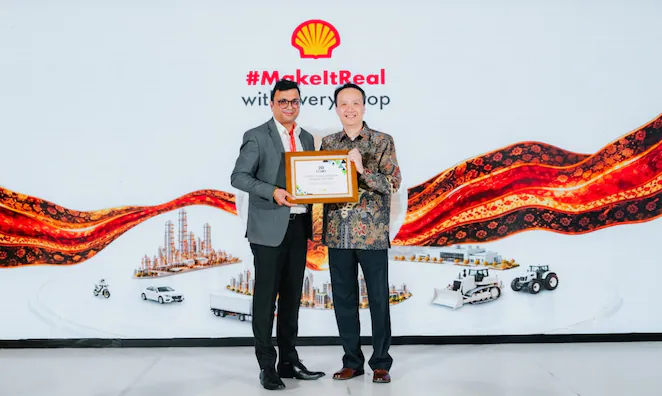 Shell Retains No. 1 Global Lubricants Supplier Ranking for the 20th Consecutive Year
Shell reports a 20th consecutive year at No. 1 in Kline & Company’s global lubricants supplier ranking, across three major market categories. Read more ›
 Shell Rotella Explains the PC-12 Upgrade for Heavy-Duty Diesel Engine Oils Ahead of 2027
The PC-12 upgrade is progressing, with API CL-4 and FB-4 scheduled for first licensing on January 1, 2027. Shell Rotella outlines the key developments. Read more ›
 UCHS Aerospace Machining Fluids Approved to Boeing Specifications | Meet Aerospace Machining Demands
In July 2026, FUCHS announced Boeing BAC 5008 Sections 5–6 approval for ECOCOOL GLOBAL 1000, highlighting the process requirements of aerospace metalworking fluids. Read more ›
 A Case Study in Steam Turbine Valve Lubrication Reliability
Steam turbine governor control valves operate under demanding thermal conditions that challenge lubricant stability. In a case study involving a U.S. electricity generator, Miller-Stephenson reported that changing the grease helped address drying-related failures and avoid recurring maintenance shutdowns. Read more ›
 Industrial Applications of Boron Nitride Release Coatings
Boron nitride offers thermal stability, lubricity and electrical insulation, making it useful in various high-temperature forming processes. Miller-Stephenson describes a boron nitride release coating with a dual-stage binder system for glass forming, metal processing and other demanding manufacturing applications. Read more ›
 SCHARR Case Study: Enhancing Paper Machine Lubrication Reliability
Reliable centralized lubrication is important for continuous paperboard production. SCHARR’s MM Gernsbach case study describes how oil analysis, system cleaning and a revised lubrication strategy helped address flow-control problems and improve machine availability. Read more ›
 What Is the Dropping Point of Lubricating Grease?
The dropping point is an important indicator of the thermal behavior of lubricating grease. Understanding this parameter helps prevent confusion between dropping point and maximum continuous operating temperature. Read more ›
 SCHARR Case Study: Practical Coolant Training for Metalworking
Effective coolant management and machine maintenance are important aspects of metalworking operations. SCHARR’s mww case study describes how staff training, coolant monitoring and machine cleaning were combined to support more stable production processes. Read more ›
 Shell Opens Grease Manufacturing Plant in Indonesia with Annual Capacity of up to 12,000 Tonnes
On September 15, 2026, Shell inaugurated its grease manufacturing plant in Indonesia, with annual capacity of up to 12,000 tonnes. Located within the Marunda lubricants complex in Bekasi, the facility will produce Shell Gadus greases. Read more ›
 Shell and FAW TRUCKS Advance Immersion Cooling Validation for Commercial Vehicle Batteries
In September 2026, Shell and FAW TRUCKS reported progress in validating immersion cooling for commercial vehicle batteries. Further performance data will follow completion of vehicle validation. Read more ›
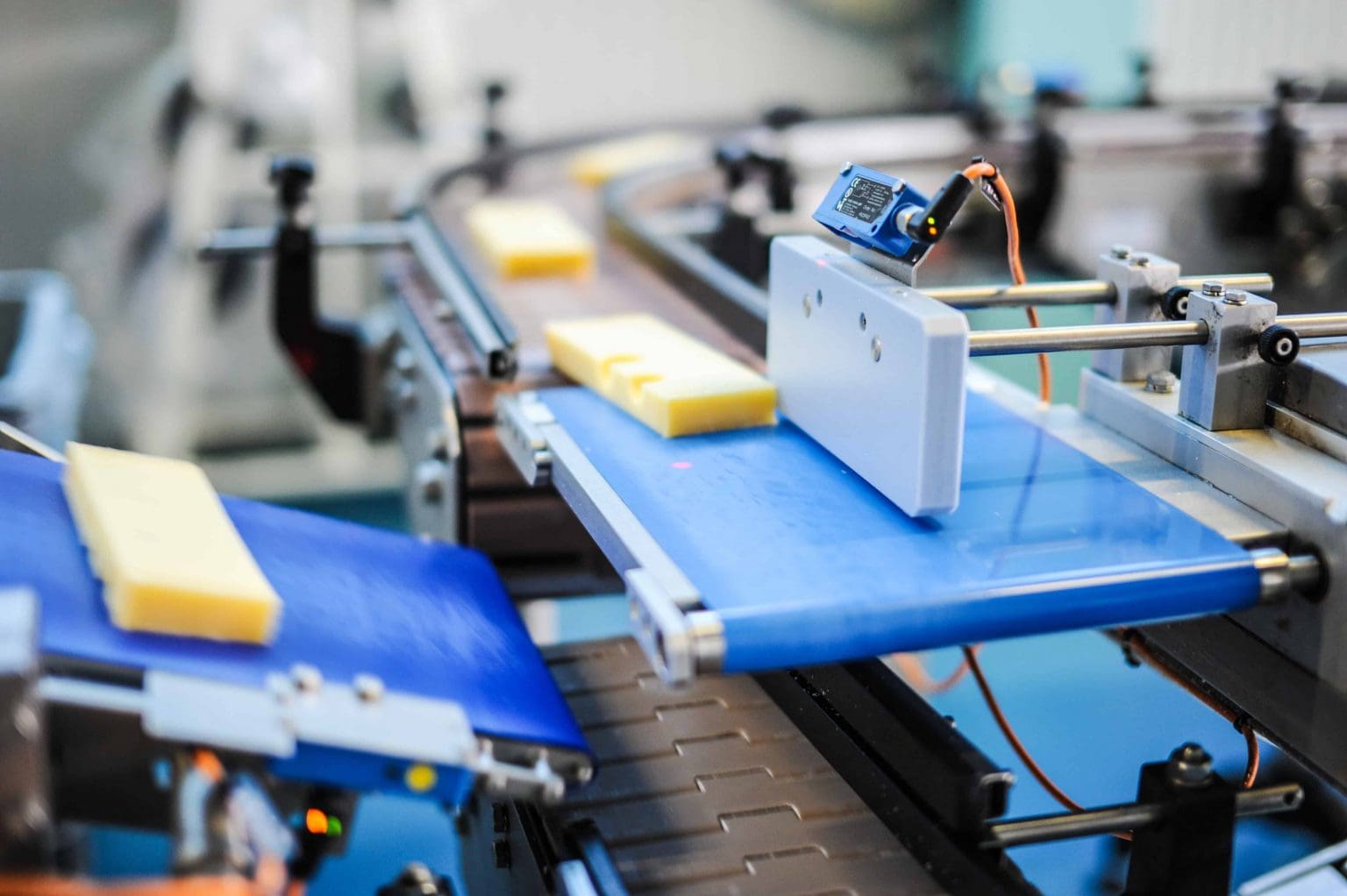 MOAH-Free Certification for Food-Grade Lubricants|A New Focus for Food Safety and Supply Chain Audits
In September 2026, NSF announced the first NSF 538 MOAH-Free certification for Interflon, covering more than 30 food-grade lubricants. The development supports more structured contamination-risk assessment and supplier reviews. Read more ›
 Controlling Chain Wear on High-Speed Conveyors|Lubrication and Maintenance Practices
Chain wear on high-speed conveyors can affect operational reliability and increase maintenance needs. Assessing operating conditions, lubricant delivery, cleanliness, and maintenance records helps identify wear factors and improve system performance. Read more ›
 From Manual Greasing to Automatic Lubrication: Changing Industrial Maintenance Practices
Manual lubrication offers flexibility but depends on operator consistency and maintenance schedules. Automatic systems deliver lubricant at preset intervals, helping improve lubrication consistency when properly selected and maintained. Read more ›
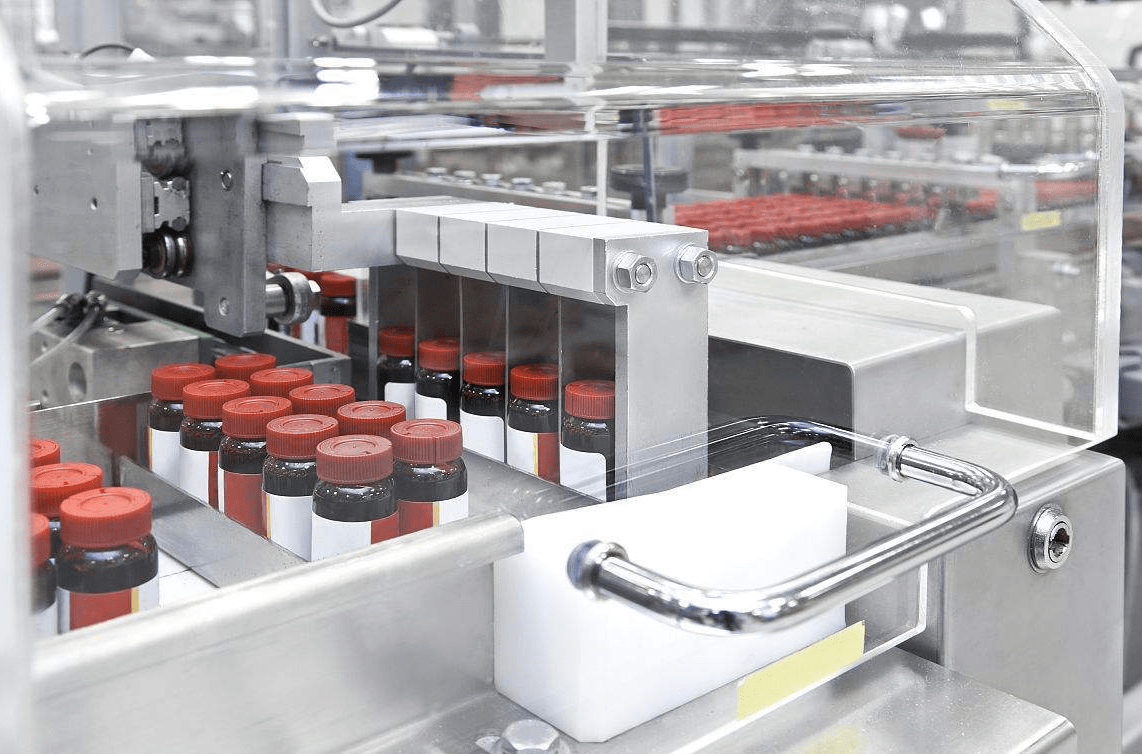 Lubricant Compliance and Risk Control in Food, Beverage, and Pharmaceutical Industries
Lubrication in food and pharmaceutical processing requires attention to equipment performance, contamination risks, and traceability. Appropriate lubricant selection and accurate documentation support effective maintenance and audit readiness. Read more ›
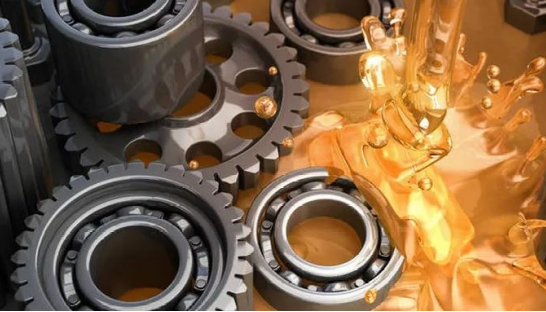 PFAS in Industrial Lubricants|Performance Benefits, Environmental Challenges and Alternatives
PFAS are used in various industrial applications for properties such as heat resistance, chemical stability and low friction. However, some PFAS persist in the environment and raise health and regulatory concerns. Understanding their role and evaluating PFAS-free alternatives can support more sustainable lubrication practices. Read more ›
 Jet-Lube Moly-Mist Case Study: Dry Film Protection for Water Well Equipment
Canadian water well equipment manufacturer Wellmaster uses Jet-Lube Moly-Mist™, a molybdenum disulfide dry film lubricant, to protect non-API products against rust and galling. The case highlights its surface coverage, moisture-displacing properties and role in threaded component maintenance. Read more ›
 Jet-Lube Lubricants for Offshore Drilling|Equipment Protection, Corrosion Resistance and Operational Reliability
Offshore drilling equipment faces saltwater, moisture, temperature fluctuations and heavy loads. Jet-Lube offers drilling compounds, lubricants and protective products designed for demanding applications, supporting wear control, corrosion protection and equipment reliability. Read more ›
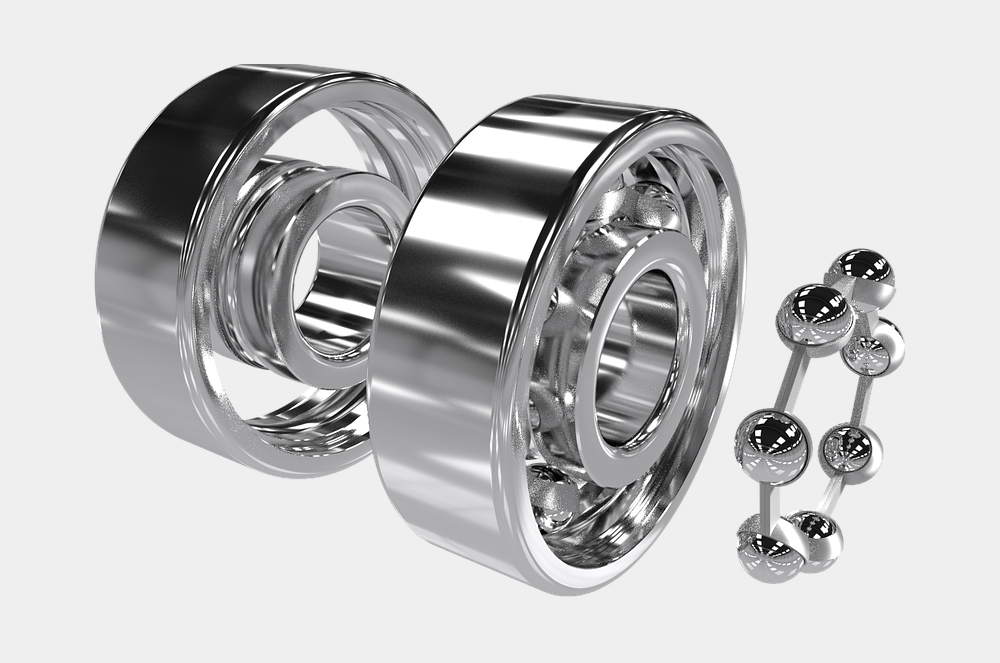 Lubrication Management for Railway Traction Motors: Bearing Temperature, Vibration, and Service Life
Traction motor bearings operate under high rotational speeds and thermal loads. Evaluating bearing temperature, vibration, and grease condition together can help identify lubrication problems, improve operational reliability, and support maintenance planning. Read more ›
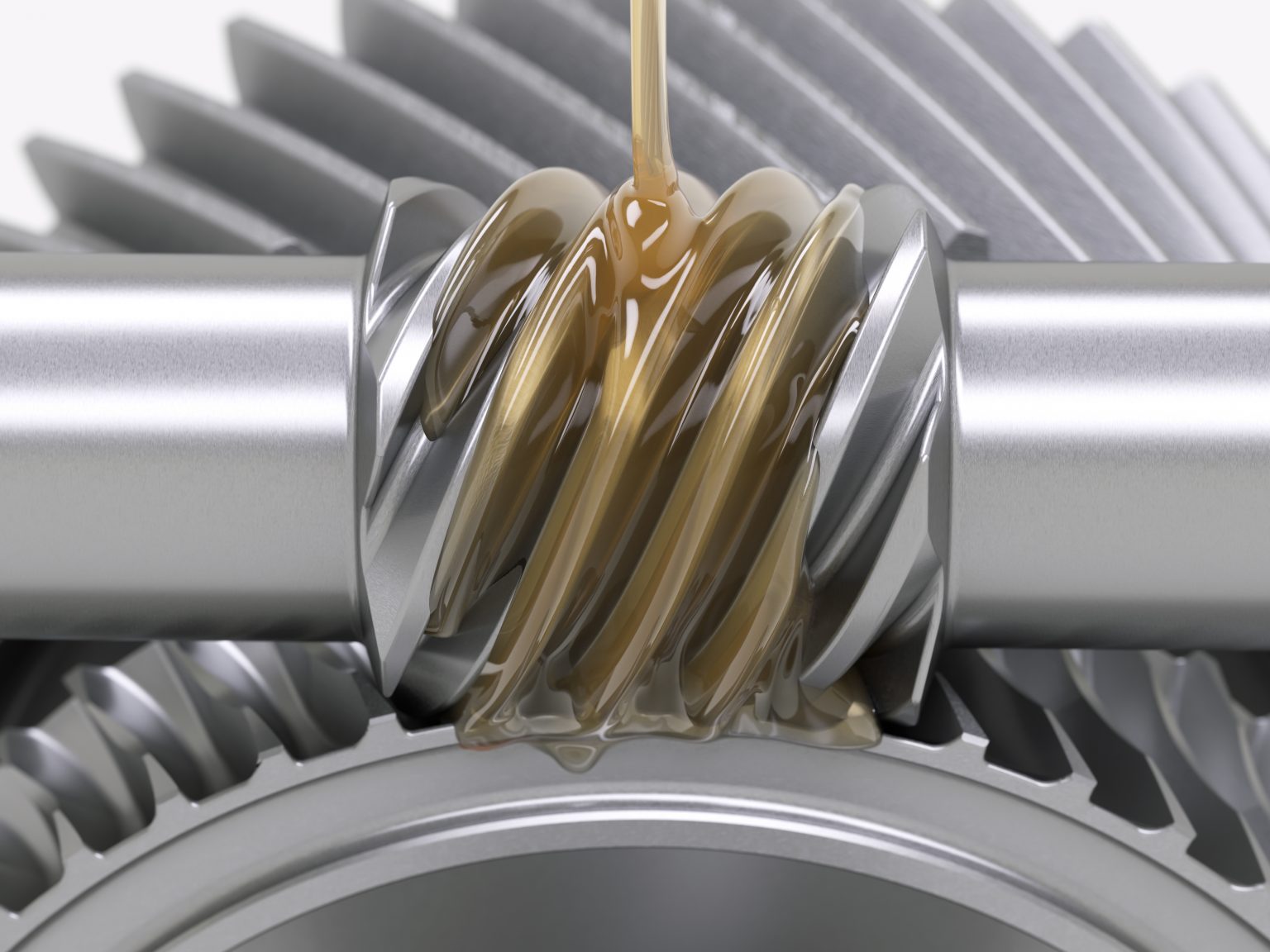 Lubricating Worm Gear Drives: Viscosity, Temperature, and Material Compatibility
Worm gear drives involve substantial sliding contact, making lubricant selection critical to film formation, heat control, and material protection. Viscosity, operating temperature, load, and compatibility with metals and seals must all be considered to help reduce wear and maintain reliable operation. Read more ›
 KANO LABORATORIES LLC Authorizes ShangHai F&L Petrochemical Co.,Ltd. for Kroil, Super Lube and DeoxIT in China
KANO LABORATORIES LLC provides specialty lubricants, penetrants and maintenance chemicals through its Kroil, Super Lube and DeoxIT brands. ShangHai F&L Petrochemical Co.,Ltd. is authorized to represent these brands in China. Read more ›
 Mako-Lube Appoints ShangHai F&L Petrochemical Co.,Ltd. as Its General Distributor in China
Mako-Lube, a British specialist lubricant brand under Brit-Lube Ltd, offers industrial, food-grade, high-temperature, and environmentally considerate lubrication solutions. ShangHai F&L Petrochemical Co.,Ltd. serves as its general distributor in China, supporting local market access across industrial sectors. Read more ›
 HPM TECHNOLOGIE Authorizes ShangHai F&L Petrochemical Co.,Ltd. as Its General Distributor in China
ShangHai F&L Petrochemical Co.,Ltd. has been authorized to support the promotion and technical services of HPM TECHNOLOGIE’s minimum quantity lubrication technology and specialty lubricants in China, helping manufacturers improve lubrication efficiency and resource utilization. Read more ›
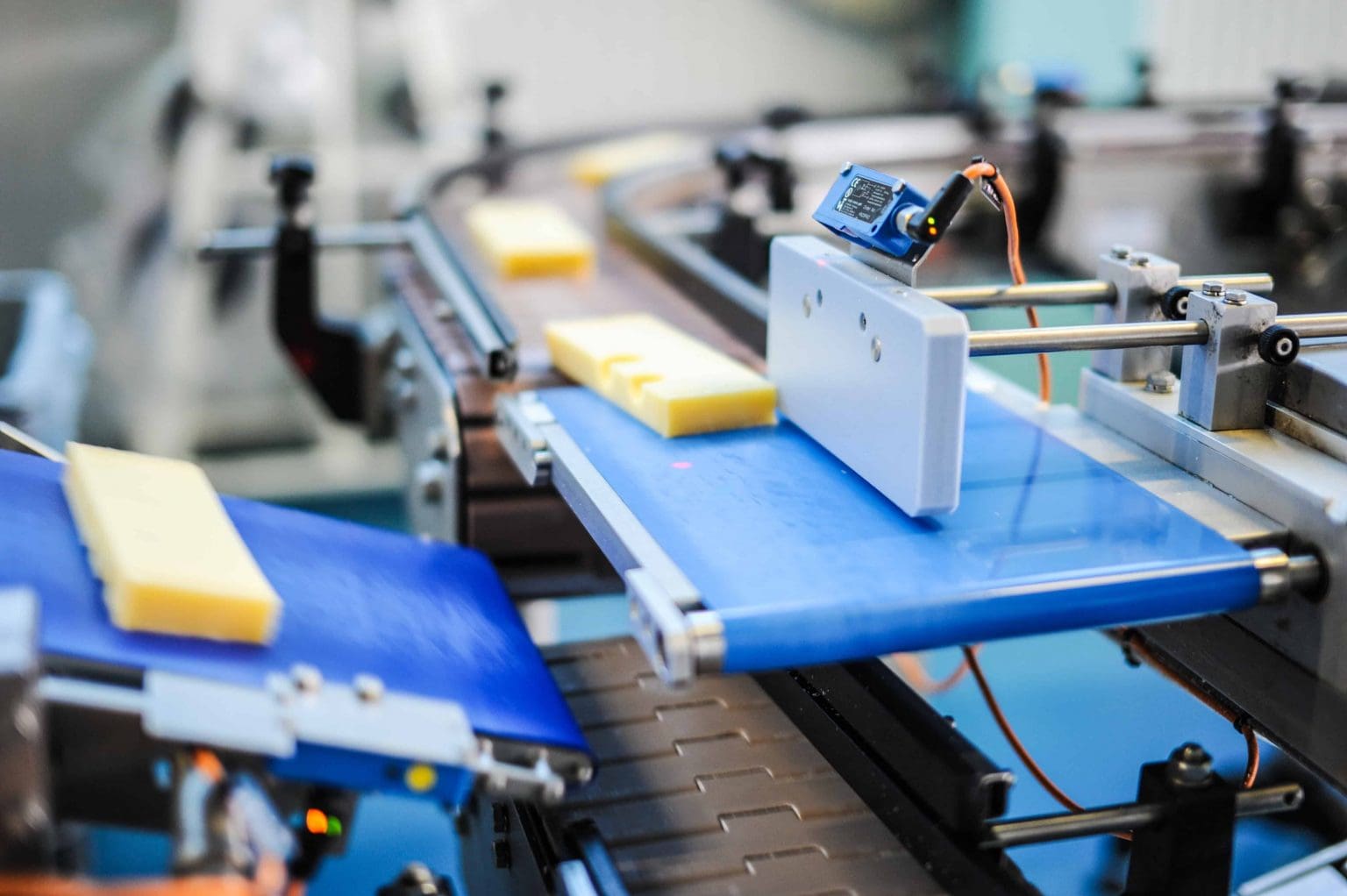 Why Food-Grade Lubricants Matter in Food Processing Equipment ?
Food-grade lubricants must provide reliable equipment lubrication while helping control food contamination risks. Understanding their formulations, H1/H2 classifications, storage, application, and maintenance practices supports equipment reliability and food safety management. Read more ›
 7 Key Engine Areas That Require Lubrication and Their Oil Requirements
Engine components operate under different temperatures, pressures, and friction conditions. This article outlines seven key lubrication areas and explains how wear protection, deposit control, oxidation stability, and oil flow properties support engine performance. Read more ›
 Hydraulic Oil Classification and Selection: Performance and Viscosity
Hydraulic fluid selection affects system efficiency, wear control, and reliability. Understanding fluid types and viscosity grades, while considering temperature, operating conditions, and equipment specifications, helps ensure suitable performance in different hydraulic systems. Read more ›
 Whitmore Expands Industrial Lubricants and Directional Drilling Fluids Through Two Acquisitions
In 2025, Whitmore Manufacturing acquired Hydrotex and ProAction Fluids, broadening its industrial lubricant portfolio and adding horizontal directional drilling fluids and related specialty products. Read more ›
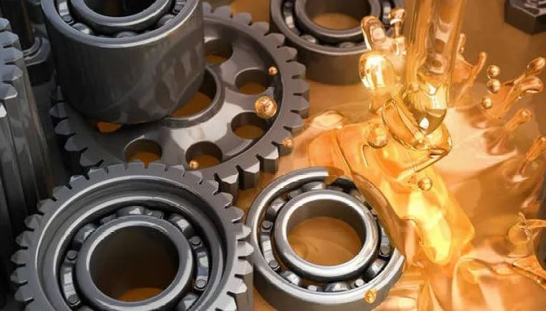 How to Identify Deteriorated Bearing Grease: Warning Signs and Inspection Methods
Aging or contaminated grease can compromise bearing lubrication and protection. Visual inspection, consistency checks, contaminant assessment, and laboratory analysis help evaluate grease condition and guide maintenance decisions. Read more ›
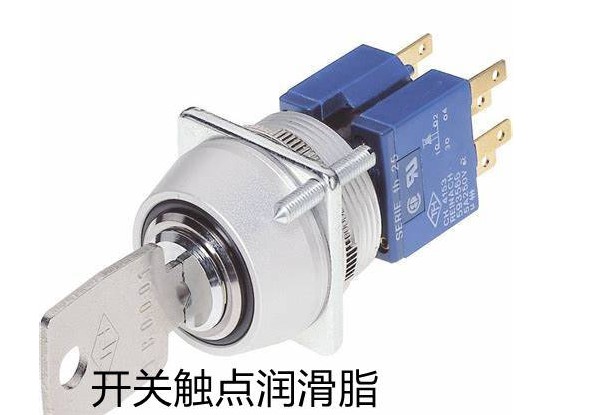 Electrical Contact Grease: Stable Contact Resistance, Oxidation Protection and Wear Reduction
Electrical contacts can suffer from oxidation, fretting wear, and material aging, affecting resistance and reliability. Specialized contact lubricants help protect contact surfaces and support stable electrical performance when correctly selected and applied. Read more ›