Oilfield Thread Compounds: Composition and Application
Thread compounds support reliable threaded connections in oilfield drilling and OCTG operations. Their functions include lubrication, sealing, anti-galling protection, and corrosion control. This article outlines compound composition and application practices to help reduce connection damage and improve operational reliability.
1. The Role and Importance of Thread Compounds
In oil and gas drilling, completion, and OCTG operations, threaded connections are exposed to axial loads, torsional loads, vibration, and demanding downhole conditions. Thread compounds, also known as pipe dopes, are functional materials designed for these connections. Their purpose extends beyond reducing friction to include assisting with sealing, minimizing metal-to-metal contact, and protecting connection surfaces.
The principal functions of thread compounds include:
Lubrication: Improving friction conditions at thread interfaces to support make-up and break-out operations.
Sealing assistance: Helping control fluid leakage through the distribution and compression of solid components at the connection interface. Actual sealing performance depends on thread geometry, connection design, application quality, and product properties.
Anti-galling and wear protection: Reducing direct metal contact and the risk of scoring, galling, and localized wear.
Rust and corrosion protection: Helping protect threaded surfaces from moisture and corrosive media.
Connection control: Influencing friction characteristics that affect make-up torque and connection performance.
A thread compound must be compatible with the specific connection design. Drill pipe tool joints, drill collars, casing, tubing, and premium connections may have different construction and technical requirements. One compound should not automatically be assumed suitable for every connection type.
2. Basic Components of Thread Compounds
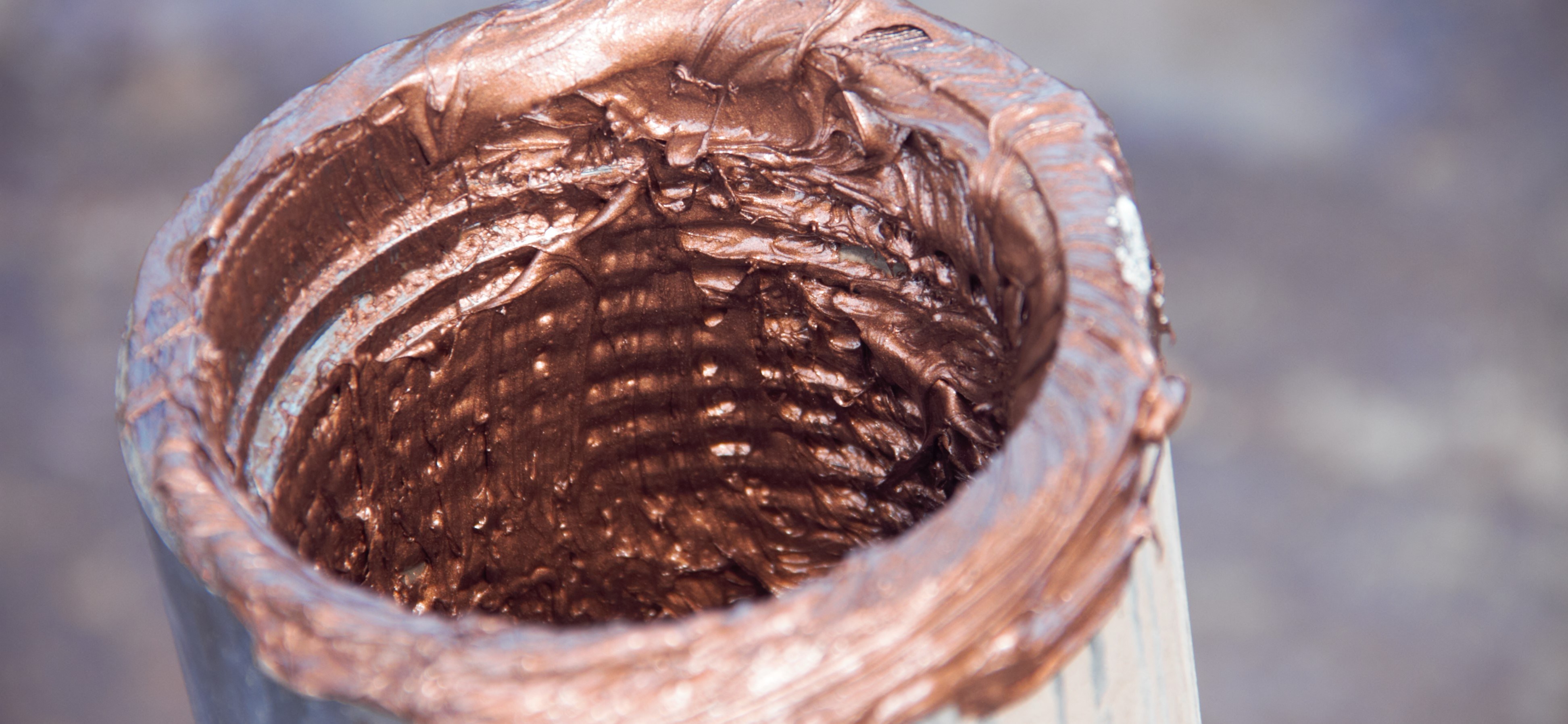
Thread compounds generally contain a lubricating base, additives, and solid components. Their formulations influence friction behavior, load-carrying performance, sealing characteristics, water resistance, and environmental suitability.
2.1 Lubricating Base
The lubricating base provides the primary lubrication at thread interfaces and influences adhesion, consistency, and friction behavior. Depending on the formulation, different oils and thickening systems may be used to meet application temperature and connection requirements.
2.2 Liquid Additives
Additives are used to enhance specific properties, including oxidation resistance, rust prevention, corrosion inhibition, antiwear performance, and extreme-pressure protection. Their effects depend on the formulation and operating environment.
2.3 Solid Components
Solid components distribute across the thread contact surfaces during application and can contribute to load support, reduced localized metal contact, and improved interface performance under pressure.
Common solids include metallic and non-metallic materials. Metallic components may include copper, zinc, and other metals or alloys. Non-metallic materials may include graphite, talc, PTFE, and other solid lubricants.
The type, particle-size distribution, and concentration of solids can influence friction characteristics and connection performance. Selection should therefore account for connection design, material compatibility, operating temperature, and applicable industry requirements.
3. Best Practices for Thread Compound Application
Correct application is essential to achieving the intended performance. Even a suitable compound may not deliver the expected results if surface preparation is inadequate, coverage is uneven, or contamination occurs.
3.1 Mix Thoroughly Before Use
Thread compounds may experience some oil separation or solid settling during storage. Mix the material according to the product instructions to restore uniformity before application. If the compound shows abnormal deterioration or cannot be returned to an acceptable condition using the specified procedure, suspend use and inspect it.
3.2 Clean the Connection Surfaces
Before application, inspect the pin threads, box threads, and relevant shoulder surfaces. Remove contaminants, residue, and other materials that could interfere with the connection. Surface cleanliness must meet the requirements of the connection manufacturer and the compound instructions.
3.3 Select a Suitable Compound
Choose the compound according to connection type, materials, operating conditions, and applicable technical specifications. A compound intended for drilling tool joints should not be used on casing or tubing connections without verification, unless the product is explicitly identified as suitable for the relevant connection types.
3.4 Apply Evenly
Apply the compound evenly to the specified thread contact areas and shoulder surfaces in accordance with the product instructions and connection manufacturer's procedures. Avoid excessive accumulation, insufficient coverage, and application to surfaces where lubrication is prohibited.
Use appropriate application tools for the connection design and ensure the required contact areas receive the specified coverage. Exact application locations, coverage, and quantities should follow the applicable connection procedure.
3.5 Prevent Cross-Contamination
Do not mix different thread compounds without authorization, and do not dilute a compound with diesel, kerosene, or other unapproved substances. Foreign materials can change formulation performance, friction characteristics, and connection reliability.
Conclusion
Thread compounds are an important part of connection management in oilfield drilling and OCTG operations. Their functions include lubrication, sealing assistance, anti-galling protection, wear reduction, and corrosion control. Appropriate product selection and application must align with connection design and manufacturer requirements.
Field operations should follow connection manufacturer specifications, applicable industry standards, and the technical documentation for the selected compound. General calculation examples must not be used as direct field instructions. Standardized application procedures and documentation help improve connection reliability, reduce maintenance risks, and support safe oilfield operations.